

1. Significance and Role of the Metric
- Definition: Lycopene mg/100g represents the amount of Lycopene (milligrams) contained in every 100 grams of the tomato product.
- Role:
- Nutritional Value: Lycopene is a powerful natural antioxidant. This metric directly reflects the product’s nutritional quality and health benefits.
- Raw Material Quality: High content usually indicates that the raw tomatoes were fully mature and of a superior variety.
- Color Correlation: Lycopene is the primary pigment that gives tomatoes their red color. High content is often correlated with a high-quality A/B ratio (pure red color).
2. Main Influencing Factors
Lycopene content is primarily affected by the following factors:
- Tomato Variety: Different tomato varieties have naturally different Lycopene potential.
- Maturity: Lycopene accumulates the most in fully ripened tomatoes. Unripe tomatoes have low content.
- Sunlight and Growing Conditions: Adequate sunlight helps facilitate Lycopene biosynthesis.
- Processing Method (Heat Treatment):
- Paradoxically, heating and processing (such as making concentrate) can actually increase the bioavailability of Lycopene. Heat treatment converts the natural trans-structure of Lycopene into the cis-structure, which is more easily absorbed by the human body.
- However, excessive or incorrect heating (such as prolonged exposure to high heat and oxygen) can degrade Lycopene, reducing its content.
3. Typical Ranges (Example for Tomato Concentrates)
The Lycopene content depends on the product’s concentration (Brix value). Higher concentration leads to higher content per unit weight.
| Product Type | Typical Lycopene Range (mg/100g) |
| Fresh Ripe Tomato | 3 mg – 10 mg |
| Tomato Juice | 5mg -15 mg |
| Tomato Concentrate (28 Brix) | 40 mg – 80 mg |
| Tomato Concentrate (36 Brix) | 60 mg – 110 mg |
4. Customer Selection and Quality Assessment
- Selection Role: This metric is an indicator of the product’s “intrinsic value.” If a client’s product is positioned as “healthy” or “high-nutrition” (e.g., health supplement raw material, premium sauce), they should choose the product with the highest Lycopene content.
- Quality Assessment: Given the same Brix, a higher Lycopene mg/100g is better. It indicates the supplier used superior raw materials and employed good processing techniques to protect or enhance its availability.
5. Measurement Method
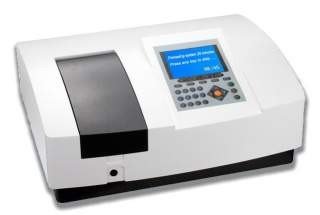
The measurement of Lycopene typically requires professional chemical analysis:
- Extraction: Organic solvents (such as acetone or hexane) are used to isolate and extract the Lycopene from the sample.
- Quantification: A Spectrophotometer is used to measure the absorbance of the extract at a specific wavelength, usually around 503 nm .
- Calculation: The Lycopene concentration in the sample is calculated based on the absorbance value and a known extinction coefficient.
This method is more complex than Brix or Bostwick measurement and is generally performed by specialized laboratories.

 English
  Russian
  Arabic
  French
  Turkish
  Urdu
Urdu  Vietnamese
  Thai
Thai  Tagalog