

When working with canned tomato paste, understanding its shelf life is essential for both home cooks and food businesses. This guide covers everything you need to know about unopened and opened canned tomato paste, how to judge quality, and tips for extending shelf life through freezing.
1. Unopened Canned Tomato Paste Shelf Life
So, what is the shelf life of canned tomato paste?
- Typical Shelf Life (Unopened): 18–24 months
- Storage Conditions: Store in a cool, dry place away from direct sunlight. Ideal temperature is 15–25°C.
Unopened canned tomato paste remains highly stable because it is heat-sterilized and sealed in airtight cans. Its high acidity prevents bacterial growth, which makes it one of the most shelf-stable tomato products.
2. Opened Canned Tomato Paste Shelf Life
Once opened, canned tomato paste becomes more vulnerable to air and bacteria.
- Shelf Life Opened Canned Tomato Paste (Refrigerated): 5–7 days
- Shelf Life Opened Canned Tomato Paste (Frozen): 3–4 months
Always transfer leftover paste to a clean, airtight container before refrigerating. Avoid scooping directly from the can to prevent contamination.
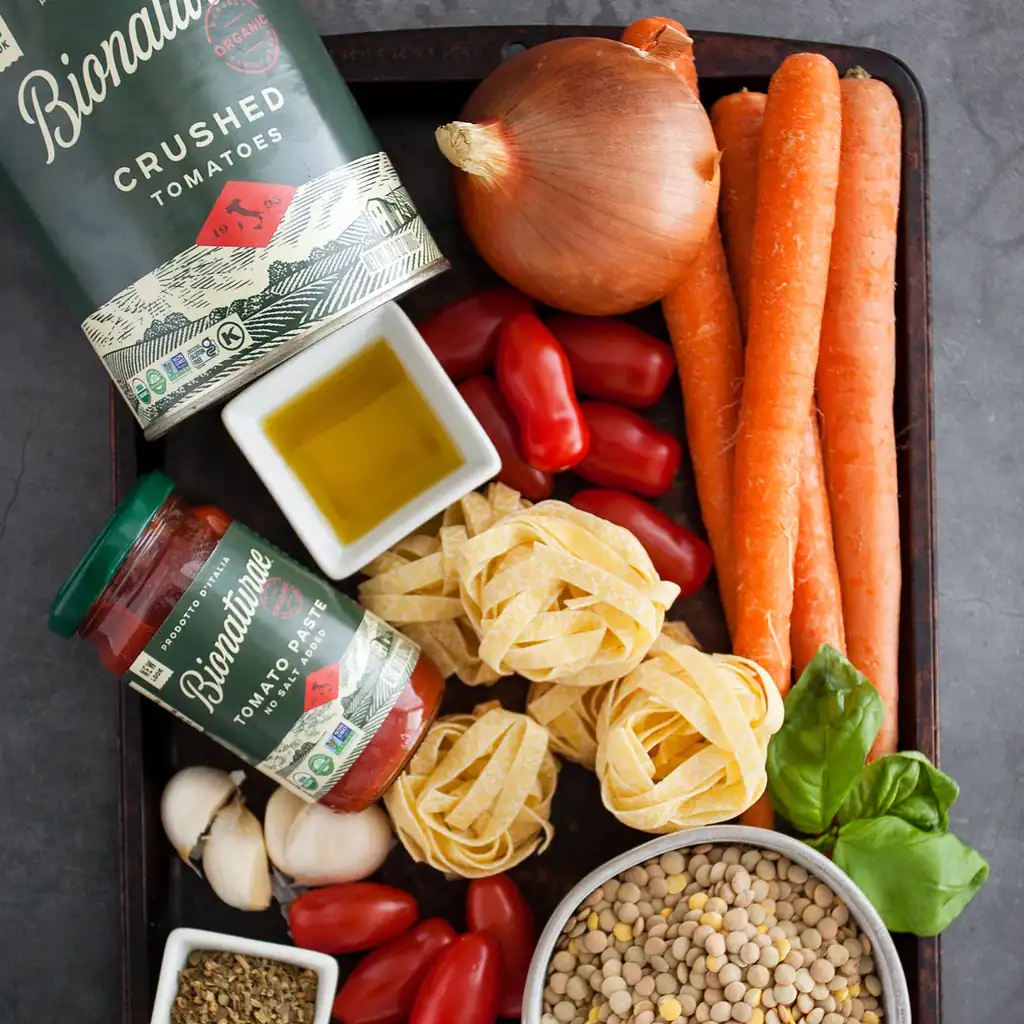
3. How to Judge Quality of Unopened Cans
Even if the can is within the expiration date, it’s important to check for:
- Swollen or bulging cans – may indicate bacterial gas buildup
- Rust or corrosion on the can surface
- Leaks or dents – can compromise the seal
- Off odor upon opening – should smell fresh and slightly tangy
If any of these signs are present, discard the can. This helps ensure food safety and prevents potential spoilage.
4. How to Judge Quality of Opened Cans
After opening:
- Color: Bright red to deep red is normal; brown or gray indicates spoilage
- Smell: Should smell fresh, tomato-like; sour or fermented odor signals spoilage
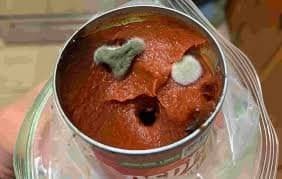
- Texture: Smooth, consistent paste; clumps, mold, or separation indicate it’s unsafe
Checking these factors helps you avoid using shelf life opened canned tomato paste that has gone bad.
5. Freezing Canned Tomato Paste to Extend Shelf Life
Freezing is a practical way to extend the shelf life of both opened and unopened canned tomato paste.
- Freezing Temperature: -18°C or lower
- Freezing Duration: Up to 3–4 months for best quality
- Method:
- Portion the paste into ice cube trays or small airtight containers
- Cover tightly to prevent freezer burn
- Label with date of freezing for easy rotation
Tip: Defrost in the refrigerator rather than at room temperature to maintain quality and prevent bacterial growth.
6. Summary Table
| Type | Shelf Life | Storage Tips | Key Checks |
|---|---|---|---|
| Unopened Can | 18–24 months | Cool, dry, away from sunlight | Can integrity, no rust or dents |
| Opened Can (Refrigerated) | 5–7 days | Airtight container, 0–4°C | Color, smell, texture |
| Opened Can (Frozen) | 3–4 months | -18°C, airtight containers | Label with freezing date |
7. Key Takeaways
- Canned tomato paste shelf life is long, but proper storage is key
- Shelf life opened canned tomato paste is short; always refrigerate or freeze
- Quality checks for unopened and opened cans help prevent spoilage
- Freezing properly can extend shelf life while maintaining flavor and texture
Following these guidelines ensures that both home kitchens and commercial users can safely enjoy canned tomato paste without compromising quality.

 English
  Russian
  Arabic
  French
  Turkish
  Urdu
Urdu  Vietnamese
  Thai
Thai  Tagalog